The themes of love and loss touch a deep, universal human experience. They can occupy you for years, lift you up or weigh you down. Much depends on the perspective you take. One thing is certain. Out of loss and love, transformation is possible. Once you have worked it through, you walk through your life on a different, more loving level.

Let me begin with a few personal questions. A moment for yourself, to reflect.
- Do you remember moments in your life when an experience of loss ultimately brought you an unexpected form of love and growth?
- Has this changed you in some way?
- What has that change brought you?
- Has your change been meaningful for others?
- Would you want to go back to the person you were before you grew?
What have you discovered about the relationship between love and loss in your own life?
Love and loss
The experience of love and of loss is an unavoidable part of life. They are inseparably bound up with one another and dance their way through the events that make up the story of your life. Sometimes they seem like two sides of the same coin. Love can be a source of joy, whereas an experience of loss is painful. You feel vulnerable. And the other way round: love can feel painful and the experience of loss can feel like a liberation.
Love and loss dance together. The one lets you fly, the other teaches you to land.
Love, loss and life lessons
The examples below will probably be familiar to you. It is not my intention to explain them at length, but rather to show how love, loss and life lessons are woven together into an inseparable whole.
Example 1: A relationship comes to an end.
Because of the love that is present, the relationship bubbles with warmth, connection, playfulness, tenderness and growth between the people involved. When the relationship comes to an end, this loss can cause a great deal of pain, uncertainty, anger or sorrow. Life does not want you to drown in that last part, but to use it as a springboard for learning to release and let go. You can develop self-love and resilience and, step by step, build up a new trust. You have integrated one of life’s lessons. And that is the whole point.
Loss is not the end of love, but an invitation to discover love in another form.
Example 2: Someone dear to you dies.

Missing the physical presence, the voice, the smile, the little ways and the warmth of a beloved person can be an extremely painful experience that makes you feel as though the ground were sinking away beneath your feet. An unpredictable road of grief and growth lies ahead of you. Love focuses not only on what is missing, but cherishes the beautiful memories and the particular bond you had with that person. Walking the path of grief consciously teaches you to live life consciously and to value what is there. It helps you find the strength to go on with the other person’s legacy in your heart. Suffering slowly comes to rest and makes room for joy once more.
The process of grieving is the bridge between love and wisdom.
Example 3: Grown-up children leave home.
When children leave home, a great deal changes. Your primary role as carer is over. It is as though the warm nest you had built up were empty and you could not immediately find your way. If you are not prepared for it, or if you have always been entirely at your children’s service, you land in the ‘empty nest feeling’. Love, however, is proud that your children are going their own way and can function independently. They are now making a new nest of their own in which to grow and flourish. An unfamiliar phase of your life is beginning. You learn that love does not ‘possess’ but ‘supports’. That is an essential difference, and it sets both you and your children free. What is more, room opens up to give your own identity a new content and to get to know undiscovered aspects of yourself.
Example 4: You lose your job.
Losing your job can shake you on your foundations. Your security, your status and your familiar working environment fall away. From love, however, you can look back with satisfaction on what you achieved in your previous job. You get the chance to reinvent yourself, to walk other paths from which new and often better possibilities arise. Life challenges you to discover that your identity does not depend entirely on your work. Your identity is a state of BEING that is present within you.
Life is like a school with endless opportunities. It is where you learn life’s lessons.
Example 5: You grow older or you have health problems
When your health lets you down, or when old age brings all sorts of complaints, you are confronted with your limitations and your decline. Your independence is at risk and you may become dependent on outside help. Love, however, invites you to look with gratitude at everything your body has made possible for you and at what it can still do now. It is a lesson in accepting what is. The control you always thought you had to keep may be let go of in favour of surrender. The importance of being present in the here and now becomes ever clearer.

Everything fits within a greater whole
It helps you to integrate life’s lessons when you are aware that you are far more than your thinking, your emotions and your body. You are a being of energy, of Light and of conscious BEING that forms part of the great universal network of life. When you can look from there, it becomes much easier to transform your life themes and turn them into wisdom.
The dynamic of love and loss in systemic work
There is no family system that exists without both experiences, love and loss. Where love predominates, it will be shared and passed on, and that will be tangible. With an experience of loss the same thing happens. The energy, and the way the loss is digested, can travel through a family for generations. The following generations are loyal to patterns of unprocessed sorrow. This is an unconscious process that gets carried along and that holds you back from letting love flow. What we long for, though, is a loving life. To achieve that, it is important to integrate and acknowledge old experiences of loss, even ones you did not live through yourself. This can be a stubborn process. Systemic constellations or family constellations can help you with it.
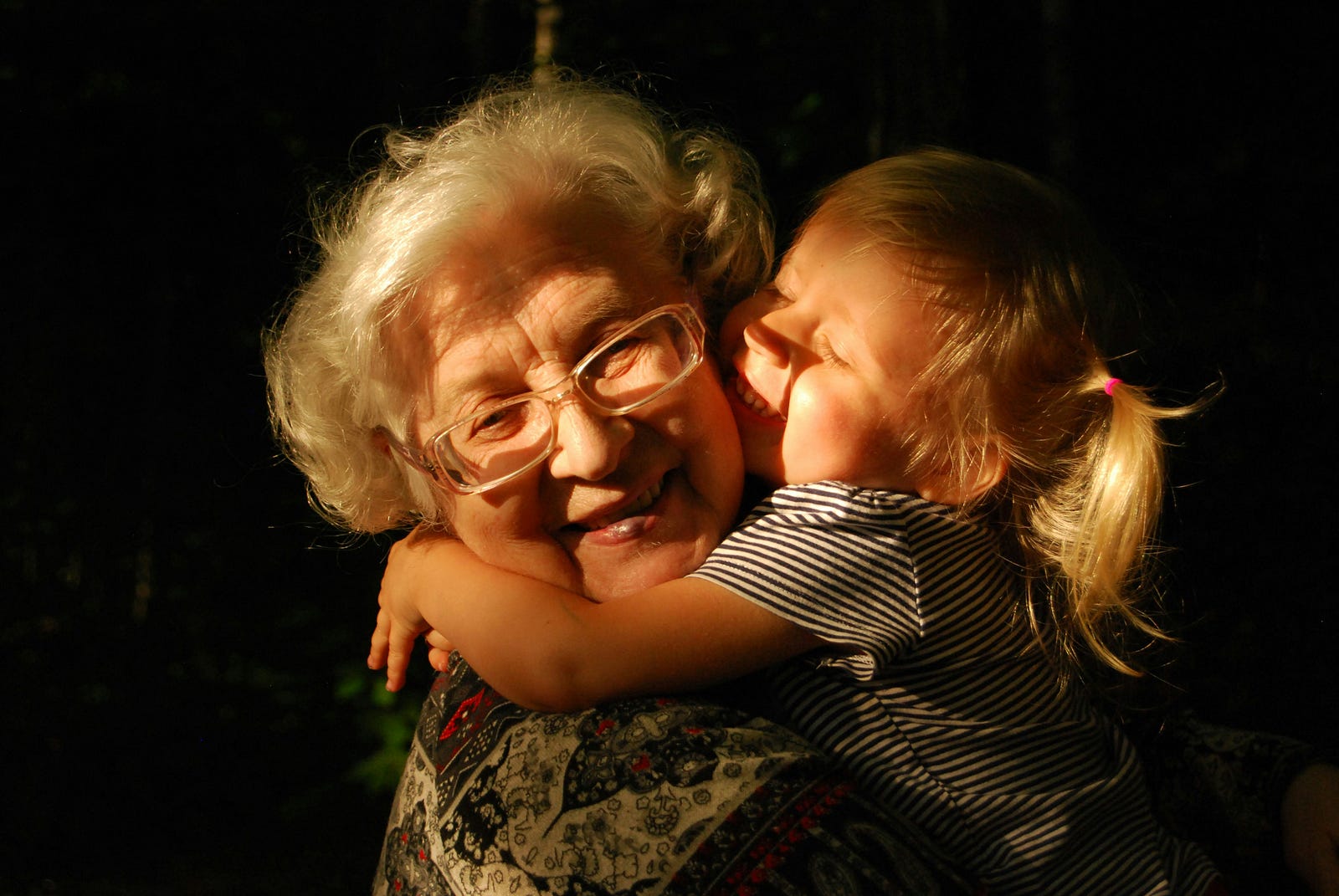
Family constellations are a wonderful method for loosening those stuck loyalties, acknowledging what has happened and finally integrating it. It is an experience-based method. Not something you think up. Already during the constellation you feel the moment when love flows through the veins of the family again. These are not empty words. You feel yourself becoming more loving in the way you deal with yourself and with others. Out of your pain you have grown into a wider conscious BEING. You take different things out of life than you did before. It is as though the sun were shining more brightly and the colours were more vivid.
Loss transforms into wisdom
What was once pain will one day be wisdom.
What was once loss will one day be a source of love.

At a certain point you have no other choice but to let go. Just as the trees cannot do otherwise than let go of their leaves. Letting go is a lofty art. You have not forgotten what happened, but the event no longer stirs up stormy waves of emotion in you. It has become a calm sea. You have come to rest. Where before you would have drowned in the waves, you now have a view over the wide ocean. The setting sun stands as a symbol for the loss that belongs to a natural cycle, and at the same time it holds the promise of a new day. Your insights translate themselves into words of wisdom that help others to calm the storms within themselves. You have opened your heart to soul-inspired wisdom.
Hilde Van Bulck
Consciousness architect — Systemic constellation facilitator, trainer and advisor
Speaker — Writer
Director at the scientific department for education and constellations at Constellators International